In the digital age, music lovers are always on the lookout for convenient ways to access their favorite tracks. One platform that frequently comes up in discussions is Mp3Juice, a popular online tool designed for searching and downloading MP3 files. The question on many users’ minds is straightforward: Can I download unlimited songs with Mp3 Juice? The short answer is yes—from a technical standpoint, Mp3Juice allows users to download as many songs as they want without imposed limits, subscriptions, or fees. However, there are important nuances involving functionality, legality, safety, and ethical considerations that make this topic far more complex than it appears at first glance.
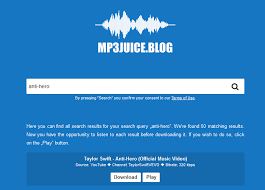
Mp3Juice operates as a free music search engine and downloader. It aggregates results from various online sources, often pulling audio from platforms like YouTube by converting videos into MP3 format. Users simply enter a song title, artist name, or even paste a video URL into the search bar, browse the results, preview tracks if available, and click to download. The process is quick, requiring no registration or software installation, which contributes to its widespread appeal. Many versions of the site boast features like high-quality audio options up to 320kbps, support for MP4 video downloads, and compatibility across devices, including mobiles and desktops.
One of the standout claims of Mp3Juice is its unlimited download policy. Unlike some streaming services that cap offline downloads or require premium plans for extensive access, Mp3Juice imposes no daily or monthly restrictions. Users can theoretically download hundreds or thousands of songs in a single session, limited only by their internet speed, storage space, and time. This “unlimited” aspect is repeatedly highlighted across various Mp3Juice mirrors and related sites, making it attractive for building large offline music libraries without cost barriers.
That said, the reality of using Mp3Juice for unlimited downloads isn’t as seamless as advertised. The platform exists in a fragmented ecosystem, with numerous domain variations (such as mp3juices.cc or similar mirrors) because original sites often face shutdowns due to legal pressures. Availability can be inconsistent; one day a site works flawlessly, and the next it might be blocked or redirected. Users frequently report needing VPNs or alternative links to bypass regional restrictions or ISP blocks. Additionally, while downloads are free and unlimited in theory, the experience is often interrupted by advertisements, pop-ups, or redirects that can slow down the process or lead to frustration.
A deeper dive reveals significant concerns beyond mere convenience. The primary issue revolves around copyright and legality. Most music available on Mp3Juice is copyrighted material uploaded without explicit permission from artists, labels, or rights holders. Downloading such content for personal use falls into a legal gray area in many jurisdictions—technically constituting copyright infringement, even if enforcement targets platforms more than individual users. In countries with strict intellectual property laws, repeated downloads could theoretically expose users to risks like fines or legal notices, though prosecutions of casual downloaders are rare. Platforms like Mp3Juice argue they merely index publicly available files without hosting them directly, but this defense doesn’t eliminate the underlying infringement for users obtaining protected works without authorization.
Safety is another critical factor. Free download sites like Mp3Juice are notorious for bundling malware, viruses, or unwanted software through deceptive ads or fake download buttons. Even if the MP3 files themselves are clean, clicking around the site can lead to phishing attempts or drive-by downloads that compromise device security. Antivirus software and ad blockers are recommended, but they don’t provide foolproof protection. Over time, these risks can accumulate, especially for users engaging in high-volume, unlimited downloading sessions.
Ethical considerations also play a role. Unlimited free downloads sound ideal, but they come at the expense of artists and the music industry. When music is obtained without compensating creators—through streams, purchases, or licensed services— it undermines the ecosystem that produces new content. Many argue that supporting official channels ensures sustainability for musicians, while piracy-like practices contribute to revenue loss estimated in billions annually.
For those still drawn to Mp3Juice’s unlimited potential, practical tips can enhance the experience. Use precise search terms (including artist and title) for better results, preview tracks to confirm quality, and opt for higher bitrate options when available. Mobile users can access the site via browsers without apps, though unofficial APKs exist with added risks. To mitigate interruptions, bookmark reliable mirrors and clear cache if downloads fail.
Ultimately, while Mp3Juice technically enables unlimited song downloads, the associated legal uncertainties, security hazards, and ethical dilemmas make it a questionable choice for long-term use. Many users eventually migrate to legitimate alternatives that offer similar offline access without the downsides. Paid streaming services provide vast libraries with high-quality downloads for subscribers, often including features like playlists, recommendations, and artist support. Free tiers on these platforms allow ad-supported listening, and some even permit limited offline caching.
Other legal free options include public domain archives, creative commons repositories, or artist-promoted downloads on sites like Bandcamp or SoundCloud, where creators explicitly allow sharing. For those prioritizing unlimited, hassle-free access with peace of mind, investing in official music sources proves more rewarding in the end.
In conclusion, yes, you can download unlimited songs with Mp3Juice in terms of platform restrictions—but whether you should is a different matter entirely. Weighing the convenience against the potential consequences helps inform a responsible decision in today’s music landscape. As technology evolves, the line between free access and fair compensation continues to shift, encouraging users to explore options that align with both their needs and values.